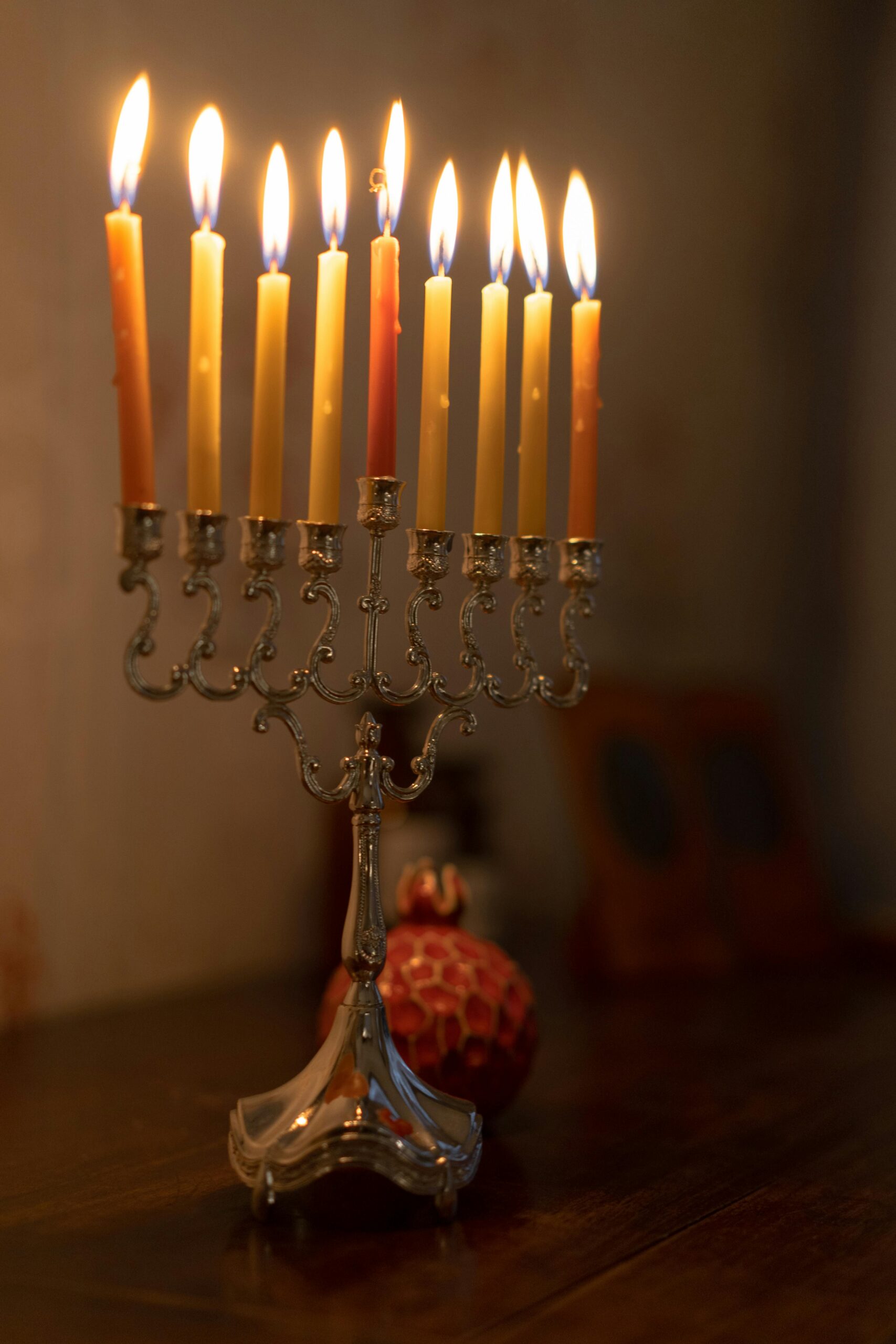
Passover, or Pesach, is one of the most beloved Jewish holidays, celebrated for thousands of years as a living reminder of freedom, resilience, and faith. Every spring, Jewish families across the globe gather around the Seder table to retell the story of the Exodus from Egypt — a story that continues to inspire not only Jews but all who value liberation and justice.
🌍 The Story Behind Passover
The roots of Passover lie in the biblical narrative of the Israelites enslaved in Egypt. After generations of hardship, God sent Moses to demand their release. Pharaoh’s refusal led to the Ten Plagues, culminating in the death of Egypt’s firstborn. The Israelites were spared — their homes “passed over” — and they fled Egypt in haste, beginning their journey toward freedom and nationhood.
This isn’t just ancient history. For Jews, the Exodus is a timeless metaphor: oppression can be overcome, freedom is sacred, and faith sustains us through struggle. Every generation is commanded to see itself as if it personally left Egypt, making Passover a holiday of living memory.
🍞 Matzah: The Bread of Affliction
One of the most iconic symbols of Passover is matzah, the unleavened bread. The Israelites left Egypt so quickly that their dough had no time to rise. Eating matzah today is a way of reliving that urgency.
But matzah is more than bread:
- It teaches humility — simple food reminds us to strip away pride.
- It symbolizes continuity — Jews today eat the same bread their ancestors did.
- It represents freedom’s fragility — liberation often comes suddenly, and we must be ready.
Families often debate whether matzah is “bread of affliction” or “bread of freedom.” In truth, it is both — a reminder of suffering and a symbol of liberation.
🍷 The Seder Experience
The Seder is the centerpiece of Passover. It’s not just a meal; it’s an interactive ritual designed to engage every generation.
What Happens at the Seder?
- The Haggadah: Families read this guidebook, retelling the Exodus story.
- Four Cups of Wine: Each cup symbolizes a stage of redemption.
- Symbolic Foods:
- Bitter herbs (maror) — the pain of slavery.
- Charoset — sweet mixture symbolizing mortar used by slaves.
- Roasted shank bone — sacrifice and resilience.
- Egg — renewal and hope.
- The Four Questions: Asked by children, sparking curiosity and dialogue.
- Songs & Stories: From Dayenu to modern reflections, music keeps the tradition alive.
The Seder is designed to be engaging. Children ask questions, adults debate meaning, and everyone participates in storytelling. It’s a ritual that ensures Jewish identity is passed down.
🤝 Passover Around the World
Passover unites Jews across continents, but each community adds its own flavor.
- United States: Many Seders include social justice themes, connecting Exodus to modern struggles.
- France & Europe: Communities emphasize resilience, often reflecting on Jewish survival through history.
- Latin America: Charoset may be made with tropical fruits, blending tradition with local culture.
- Israel: Passover is a national holiday. Schools close, families gather, and the entire country feels the rhythm of Pesach.
This diversity shows how Passover adapts to local cultures while keeping its universal message intact.
🔑 Spiritual Lessons
Passover is rich with meaning:
- Freedom: Liberation from Egypt inspires Jews to fight oppression everywhere.
- Faith: Trust in God’s guidance during uncertain times.
- Family: The Seder strengthens intergenerational bonds.
- Resilience: Jewish survival across centuries proves the power of memory and tradition.
🌟 Modern Reflections
Passover isn’t just about ancient Egypt. It’s about today’s struggles for freedom:
- Families discuss refugees, inequality, and human rights at the Seder table.
- Many see Passover as a chance to free themselves from personal “Pharaohs” — habits, fears, or limitations.
- Communities use Passover to highlight social justice causes, making the holiday relevant to modern life.
🕍 Charity and Community
Jewish tradition emphasizes ensuring that everyone can celebrate Passover. Communities collect funds before the holiday to provide matzah and wine for the poor. This act of charity, called Maot Chittim, reflects Judaism’s deep commitment to justice and compassion.
🎶 Culture and Creativity
Passover has inspired songs, poems, and art across centuries. From traditional melodies like Dayenu to modern Jewish music, the holiday blends spirituality with creativity. Families often personalize their Seders with new readings and reflections, keeping the tradition alive.
📖 Educational Value
Passover is also an educational tool. The Seder is designed to engage children, ensuring that Jewish identity is passed down. Asking questions, singing songs, and tasting symbolic foods make learning interactive. This is why Passover remains one of the most family-centered holidays in Judaism.
❓ Frequently Asked Questions
Q: Why do Jews eat matzah during Passover?
A: To remember the haste of the Exodus and the humility of freedom.
Q: How long does Passover last?
A: Eight days in the diaspora, seven days in Israel.
Q: Can non-Jews attend a Seder?
A: Yes — many families welcome guests to share in the story of freedom.
Q: What’s the most important part of Passover?
A: The storytelling — ensuring each generation understands the meaning of freedom.
💬 Reflection Questions for Readers
- What does freedom mean to you today?
- Who are the “Pharaohs” in your life that you want to overcome?
- How can the story of Exodus inspire modern struggles for justice?