🌍 The Story of Hanukkah
Hanukkah, also spelled Chanukah, means “dedication.” It commemorates the victory of the Maccabees, a small band of Jewish fighters, over the Seleucid Empire in the 2nd century BCE. After reclaiming the Temple in Jerusalem, the Jews sought to purify and rededicate it. They found only one jar of pure olive oil — enough for a single day. Miraculously, the menorah burned for eight days, giving them time to prepare more oil.
This miracle became the foundation of Hanukkah, celebrated annually beginning on the 25th of Kislev in the Hebrew calendar (usually December). In 2025, Hanukkah will run from December 14 to December 22.
Hanukkah is not mentioned in the Torah, but it has become one of the most beloved Jewish holidays, symbolizing resilience, identity, and the power of light in darkness.
🕯️ Lighting the Menorah
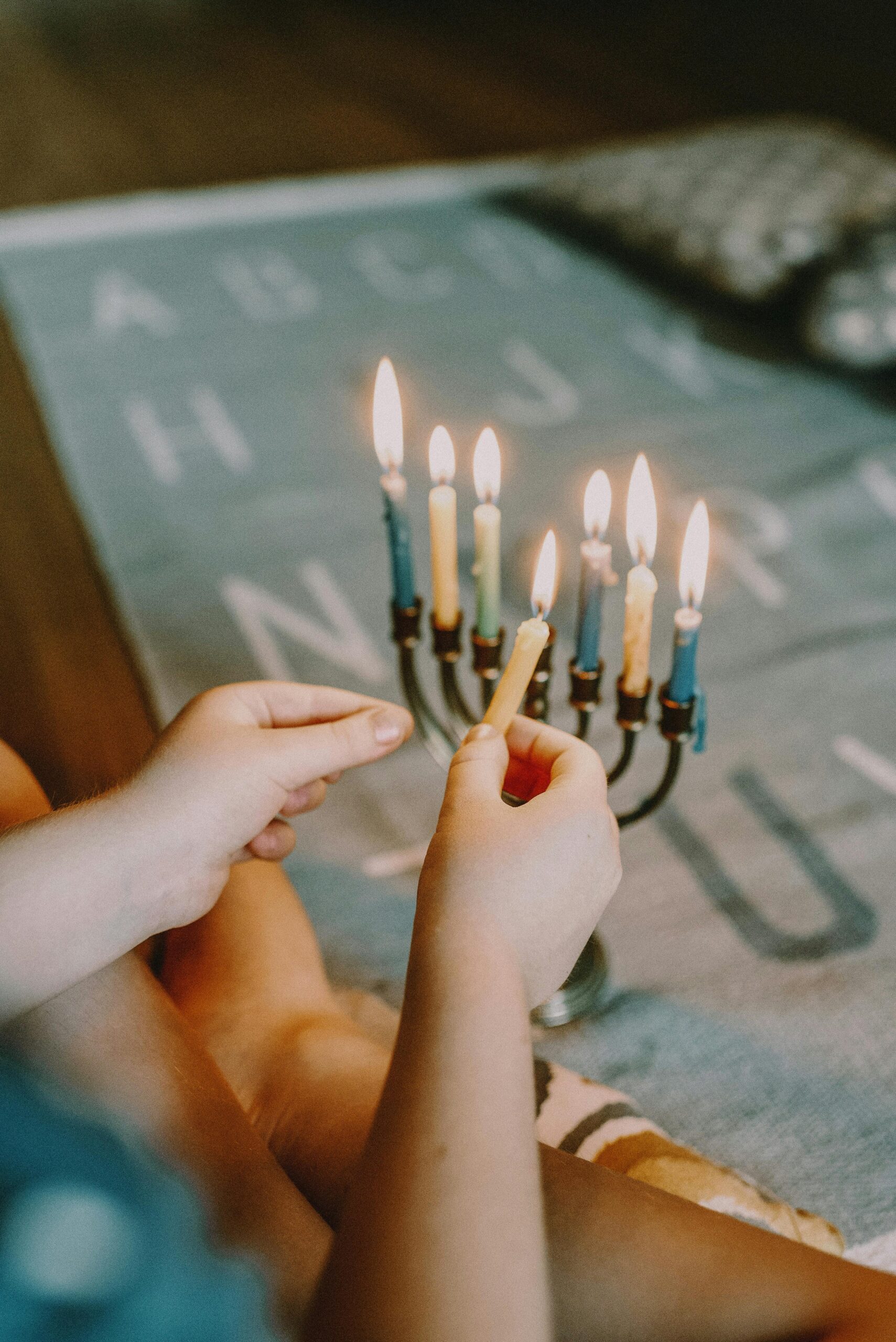
The central ritual of Hanukkah is lighting the menorah (hanukkiah). Each night, one additional candle is lit until all eight glow brightly. A ninth candle, the shamash (helper), is used to kindle the others.
Lighting the menorah is more than tradition — it symbolizes spreading light in times of darkness. Families often place menorahs in windows to share the miracle with the world. Special blessings are recited, followed by songs like Ma’oz Tzur.
Children delight in watching the candles grow night by night, while adults reflect on the miracle of resilience. The menorah becomes a beacon of hope, reminding Jews that even in times of struggle, light endures.
🍩 Foods of Hanukkah
Hanukkah is famous for foods fried in oil, recalling the miracle of the oil. Popular dishes include:
- Latkes (potato pancakes) — crispy, golden, often served with applesauce or sour cream.
- Sufganiyot (jelly‑filled donuts) — sweet, festive, and beloved in Israel.
- Dairy foods — linked to the story of Judith, who used cheese to defeat an enemy general.
These foods make Hanukkah a holiday of joy and indulgence, connecting taste with tradition. In Israel, bakeries compete to create the most creative sufganiyot, filled with chocolate, caramel, or exotic flavors. In the diaspora, families pass down latke recipes, each claiming theirs is the crispiest.
🎲 Games and Gelt
Children play with the dreidel, a spinning top marked with Hebrew letters: Nun, Gimel, Hei, Shin. Together they form the phrase “Nes Gadol Haya Sham” — “A great miracle happened there.” In Israel, the last letter is Pei, meaning “here.”
Winners often receive Hanukkah gelt — chocolate coins or small gifts. This tradition teaches generosity and joy while keeping children engaged in the holiday. In some communities, gelt is real money, encouraging charity and sharing.
🎶 Songs and Celebration
Music is central to Hanukkah. Families sing traditional songs, while communities host concerts and performances. Popular tunes include Hanukkah, Oh Hanukkah and Sevivon. These songs reinforce the holiday’s themes of joy, resilience, and unity.
Modern Jewish musicians often release Hanukkah tracks blending tradition with contemporary styles, keeping the holiday vibrant for younger generations.
🌟 Spiritual Themes
Hanukkah is more than food and games. It carries deep spiritual lessons:
- Resilience: The Maccabees fought to preserve Jewish identity against assimilation.
- Faith: The miracle of the oil reminds Jews to trust in divine providence.
- Light: The menorah symbolizes hope, guiding Jews through darkness.
- Dedication: Hanukkah celebrates the rededication of the Temple — and the ongoing dedication of Jews to their faith.
🌍 Hanukkah Around the World
Hanukkah is celebrated globally, with unique local touches:
- United States: Public menorah lightings in major cities, interfaith gatherings, and gift‑giving traditions.
- Israel: Streets filled with sufganiyot, menorahs in every window, and national celebrations.
- Europe: Communities emphasize resilience, often reflecting on Jewish survival through history.
- Latin America: Hanukkah blends with local culture, featuring regional foods and music.
- Australia & South Africa: Outdoor menorah lightings bring communities together under summer skies.
This diversity shows how Hanukkah adapts to local cultures while keeping its universal message intact.
🕍 Charity and Community
Hanukkah is also a time for giving. Many families donate to charity, reflecting the holiday’s theme of spreading light. Synagogues organize toy drives, food donations, and community events. The message is clear: miracles inspire generosity.
📖 Educational Value
Hanukkah is also an educational tool. The dreidel game teaches Hebrew letters and history, while menorah lighting engages children in ritual. Parents often use Hanukkah to discuss Jewish resilience, identity, and the importance of standing firm in one’s beliefs.
❓ FAQs
Q: Why is Hanukkah eight days long?
A: To commemorate the miracle of oil lasting eight days instead of one.
Q: Is Hanukkah a major Jewish holiday?
A: While beloved, it is not biblically mandated like Passover or Yom Kippur. Its popularity grew in modern times, especially in the diaspora.
Q: Do Jews give gifts on Hanukkah?
A: Yes, though traditionally it was small coins (gelt). In modern times, gift‑giving has expanded, especially in Western countries.
Q: What’s the difference between a menorah and a hanukkiah?
A: A menorah has seven branches, while a hanukkiah has nine (eight for the days plus the shamash).
💬 Reflection Questions
- How can the story of Hanukkah inspire resilience in your own life?
- What “miracles” of light do you see in today’s world?
- How can Hanukkah’s message of dedication apply to modern struggles for identity and justice?